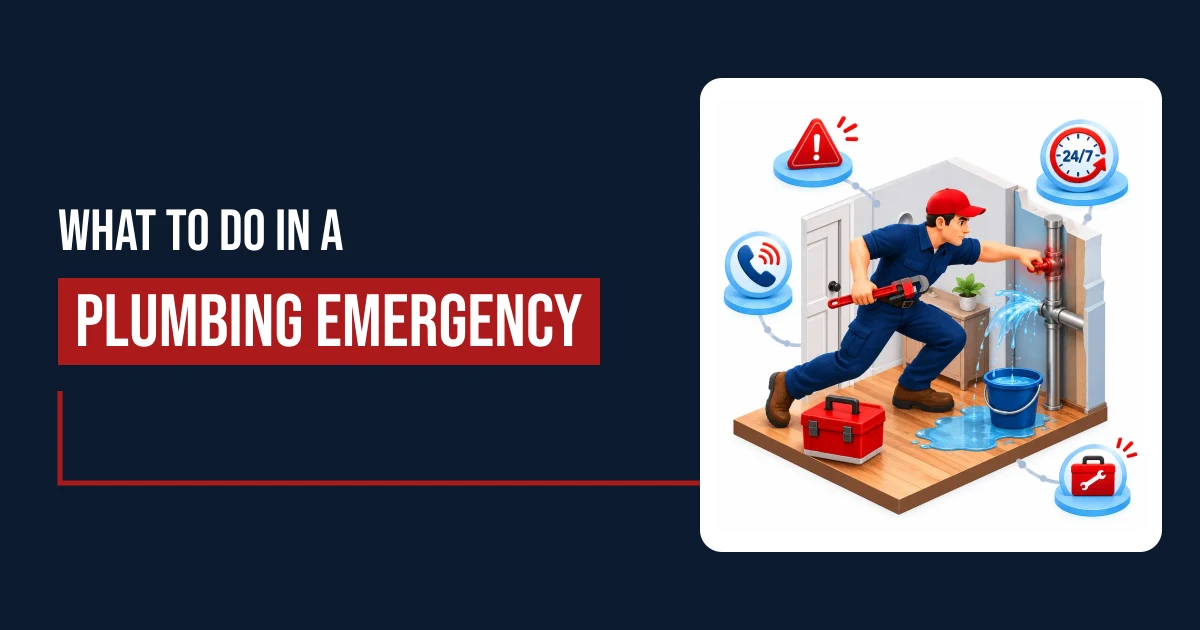
A plumbing emergency can happen without warning. A pipe may burst in the middle of the night, a toilet may overflow unexpectedly, or a water heater may begin leaking across the floor. Whatever the situation, knowing what to do during a plumbing emergency can help protect your home, reduce water damage, and prevent a stressful situation from becoming even worse.
The most important thing is to act quickly but safely. You do not need to understand every plumbing component or attempt complicated repairs. Instead, focus on stopping the immediate problem, protecting people and property, and contacting a qualified plumbing professional when necessary.
This guide explains the steps to take during common plumbing emergencies, how to recognize situations that require immediate professional attention, and how to prepare your home for future plumbing problems.
In This Guide
- What Should You Do First During a Plumbing Emergency?
- Shut Off the Main Water Supply
- Turn Off Electricity When Water Creates an Electrical Hazard
- Turn Off Your Water Heater When Necessary
- Contain the Water and Protect Your Belongings
- Identify the Type of Plumbing Emergency (5 Scenarios)
- Check for Hidden Water Damage
- Document the Damage for Insurance Purposes
- Know When to Call an Emergency Plumber
- Understand What Affects Emergency Repair Costs
- Prepare Your Home for Future Plumbing Emergencies
- Common Plumbing Emergency Mistakes to Avoid
- Frequently Asked Questions (12 FAQs)
What Should You Do First During a Plumbing Emergency?
When a plumbing emergency occurs, your first priority should be safety and controlling the source of the water.
Follow these initial steps:
- Stay calm and identify where the water is coming from.
- Shut off the water supply if you can safely reach the appropriate valve.
- Keep people away from standing water, particularly if electrical equipment may be involved.
- Move furniture, electronics, and valuable belongings away from the affected area if it is safe.
- Contact a professional plumber if the problem cannot be safely resolved.
Key Takeaway: A small leak may seem manageable, but even a relatively minor plumbing failure can cause significant damage if water continues spreading into walls, floors, cabinets, or ceilings.
1. Shut Off the Main Water Supply
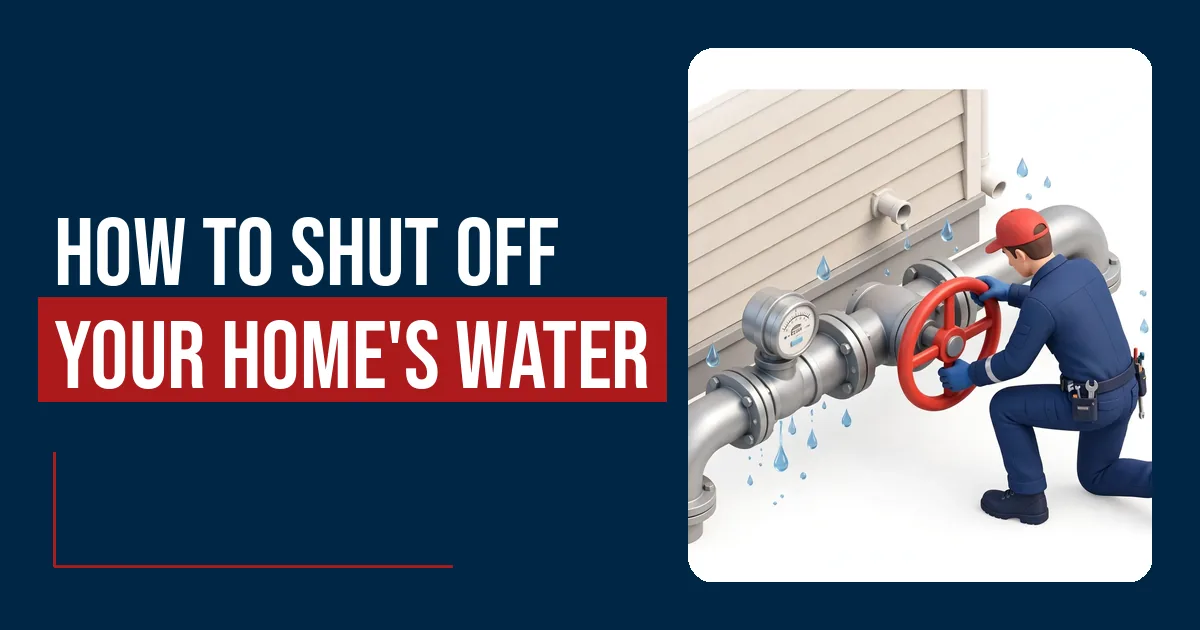
One of the most important things you can do during a serious plumbing emergency is locate and close your home's main water shut-off valve. This valve controls the water entering your plumbing system. Turning it off can stop additional water from flowing through damaged pipes, leaking connections, or malfunctioning fixtures.
Where Is the Main Water Shut-Off Valve?
The main shut-off valve is commonly located:
- Near the point where the main water line enters the house.
- In a basement or utility area.
- In a garage or utility closet.
- Near an exterior water meter or service entrance.
- In a designated plumbing access area.
The exact location varies depending on the home's construction and plumbing configuration.
How to Turn Off the Main Water Supply
- Locate the main shut-off valve.
- Identify whether it uses a lever handle or a round wheel handle.
- Turn a lever-style valve approximately one-quarter turn so the handle is perpendicular to the pipe.
- Turn a wheel-style valve clockwise until it stops, without forcing it.
- Check whether the water flow has stopped.
If the valve is stuck, damaged, or inaccessible, do not force it. Contact a plumbing professional or your water provider when appropriate.
2. Turn Off Electricity When Water Creates an Electrical Hazard
Water and electricity are a dangerous combination.
If water is spreading near electrical outlets, appliances, extension cords, electrical panels, or wiring, avoid entering the affected area. Never walk through standing water if electrical equipment may be energized.
If you can access the electrical supply safely from a dry location, have the affected circuit or power supply disconnected. If the electrical panel is in a wet or flooded area, do not approach it. Contact a qualified electrician or emergency services as appropriate.
3. Turn Off Your Water Heater When Necessary
Certain plumbing emergencies can affect your water heater, particularly when a pipe bursts, the water supply is interrupted, or the tank begins leaking.
If your water heater is leaking or experiencing a serious malfunction, follow the manufacturer's emergency instructions:
- Conventional Electric Water Heater: The electrical supply may need to be switched off at the appropriate circuit breaker if it is safe to do so.
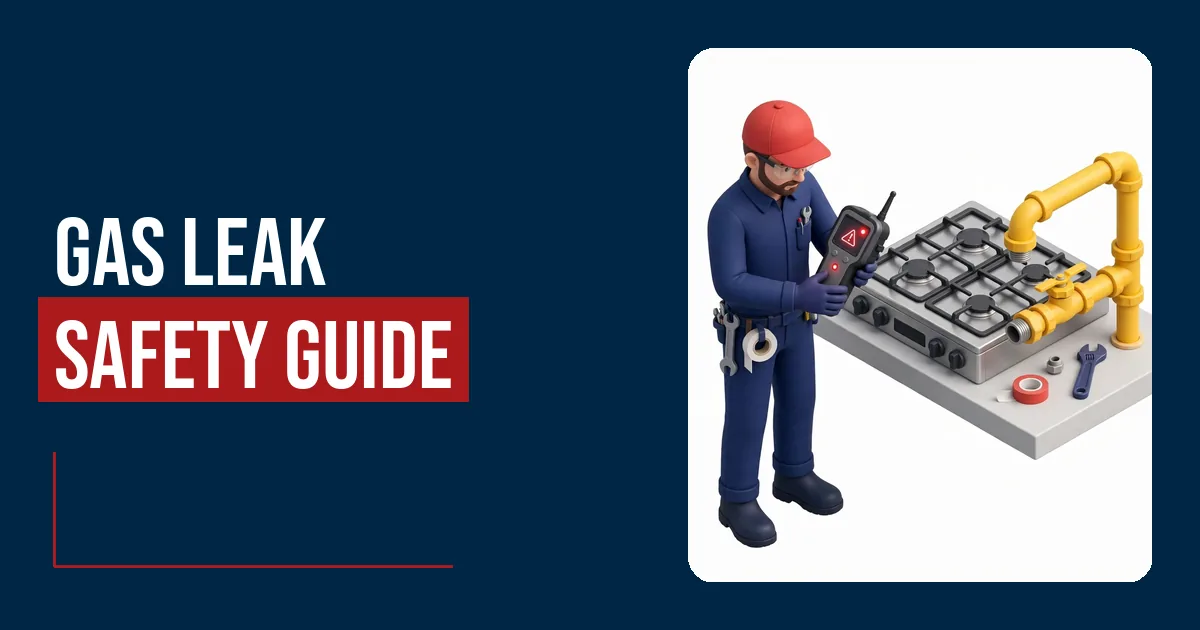
- Gas Water Heater: Follow the manufacturer's instructions for shutting down the appliance. Do not operate gas controls if you smell gas. Leave the area immediately and contact your gas utility or emergency services from outside.
Never attempt to repair a pressurized water heater tank or open its pressure-relief valve when water is overheated. If you are unsure how to shut down the appliance safely, contact a qualified plumbing professional.
4. Contain the Water and Protect Your Belongings
Once the water supply has been controlled and the area is confirmed safe, take steps to limit additional property damage:
- Place buckets or plastic containers beneath active ceiling or pipe drips.
- Use towels or a wet-dry vacuum to absorb small amounts of standing water.
- Move electronics, documents, and valuable belongings to a dry location.
- Remove area rugs and other absorbent materials from wet floors.
- Keep water away from wooden cabinets, furniture, baseboards, and vulnerable drywall.
- Arrange professional water extraction if significant flooding has occurred.
Warning: Do not attempt to clean up sewage-contaminated water yourself. Water that has entered walls, flooring, insulation, or concealed cavities requires professional drying and antimicrobial treatment. Visible water removal alone does not prevent hidden mold growth.
5. Identify the Type of Plumbing Emergency
Different plumbing problems require different responses. Understanding what type of situation you are facing helps you take the right immediate action.
Burst or Leaking Pipes
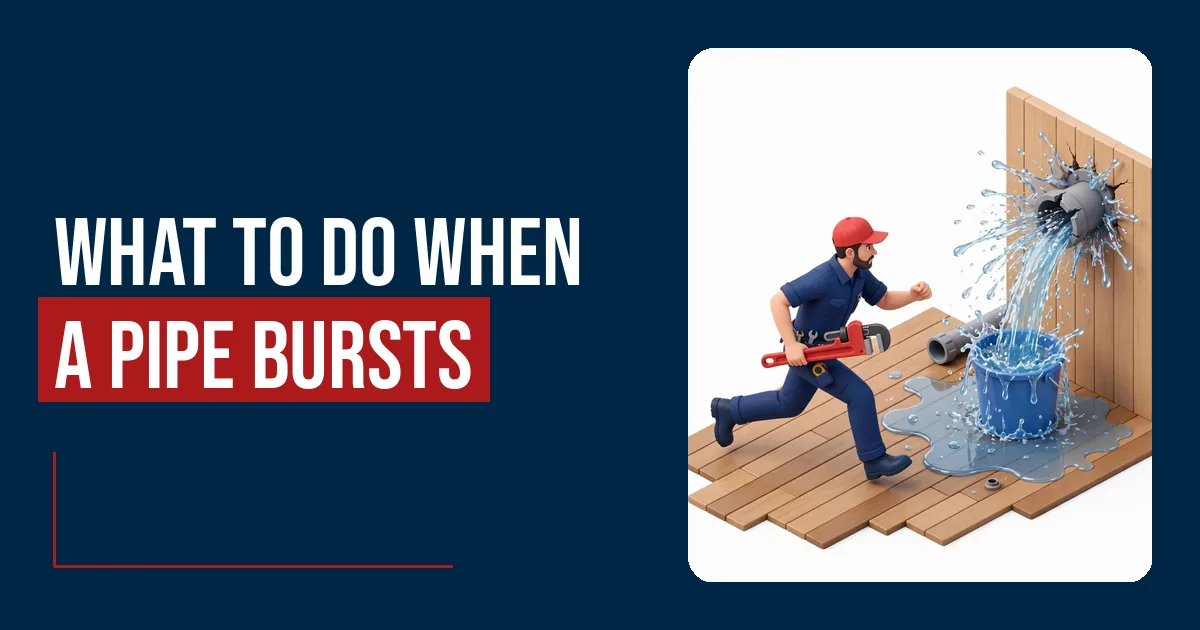
A burst pipe can release a large amount of water in a short time. Common warning signs include water suddenly appearing on floors or ceilings, unexplained drops in water pressure, damp walls, and unusual sounds inside walls.
What to do:
- Shut off the main water supply immediately if safe.
- Keep away from any electrical hazards.
- Move belongings away from the affected area.
- Avoid cutting into drywall or attempting complicated pipe repairs.
- Contact a professional plumber. (Note: Even after the main valve is shut, trapped water in the lines may continue to drain for a short time).
Overflowing Toilet
An overflowing toilet can spread unsanitary, contaminated water across your bathroom floor quickly.
What to do:
- Stop flushing immediately. Do not repeatedly flush a blocked toilet, as this will only worsen the overflow.
- Close the toilet's shut-off valve located behind the fixture near the base.
- If the valve is stuck or missing, turn off the main water supply.
- Keep children and pets away from contaminated water.
- Contact a plumber if plunging fails or the blockage is located deeper in the line.
Sewer Backup
A sewer backup is one of the most hazardous plumbing emergencies because raw wastewater contains harmful bacteria, viruses, and parasites. Signs include multiple drains backing up, gurgling toilets, foul odors, or water rising from floor drains.
What to do:
- Stop running all water fixtures, dishwashers, and washing machines immediately.
- Keep everyone away from contaminated areas.
- Avoid direct skin contact with wastewater.
- Do not attempt to clean significant sewage contamination without professional gear.
- Contact a licensed plumber for emergency main sewer clearing and camera inspection.
Water Heater Leak
A leaking water heater can stem from loose fittings, a faulty temperature and pressure relief (T&P) valve, or internal tank corrosion. A cracked tank cannot be patched and requires replacement.
What to do:
- Avoid touching standing water around electrical components.
- Shut down the electrical breaker or gas control valve according to instructions.
- Turn off the cold water shut-off valve above the water heater tank.
- Keep people away from scalding hot water or steam.
- Call a qualified plumber to evaluate repair or replacement options.
Frozen Pipes
During freezing East Texas winter snaps, trapped water expands, creating extreme internal pressure that can split copper, PEX, or PVC pipes. Signs include zero flow, a trickle of water, or visible frost on exposed pipes.
What to do:
- Open the affected faucet slightly to relieve building pressure.
- If the pipe is intact and accessible, gently warm it with a hair dryer or heat wrap.
- Never use an open flame, propane torch, or heat gun - this creates severe fire and steam burst risks.
- If the pipe has cracked or started leaking, shut off the main water valve immediately and call a plumber.
Dealing with a Plumbing Emergency in Tyler, TX?
Do not wait while water spreads through your floors and walls. Pro Plumbers Tyler provides licensed, 24/7 emergency plumbing dispatch across Tyler and all surrounding communities.
6. Check for Hidden Water Damage
Not every plumbing emergency produces an obvious surface flood. Some leaks occur silently behind walls, beneath subfloors, inside cabinetry, or in crawlspaces and slab foundations.
Look for these subtle warning signs around your home:
- Damp, discolored, or spongelike drywall.
- Peeling paint, bubbling wallpaper, or stained ceilings.
- Warped, cupping, or buckling wood or laminate flooring.
- Persistent musty odors that linger in specific rooms.
- Unexplained mold or mildew growth along baseboards.
- Unexpected spikes in your monthly water utility bill.
- Sounds of running water or dripping when all faucets and appliances are off.
A hidden leak can continue damaging wooden framing and promoting toxic mold long after the initial failure. If you suspect a concealed leak, professional acoustic or thermal leak detection is essential.
7. Document the Damage for Insurance Purposes
If a plumbing emergency causes property damage, thorough documentation is critical when filing a claim with your homeowners insurance provider.
Once the immediate hazard is under control and everyone is safe:
- Take high-resolution photographs of all visible water accumulation, damaged drywall, wet flooring, and ruined cabinetry.
- Record comprehensive walkthrough videos showing the full extent of affected rooms.
- Document damaged personal property, including furniture, electronics, clothing, and appliances (with brand and model numbers where possible).
- Save all invoices and receipts for emergency plumbing visits, equipment rentals, and temporary mitigation supplies.
- Keep a detailed written log noting when the problem started, what actions you took, and who you spoke with.
Important Insurance Note: Do not delay emergency water shut-off or mitigation while waiting for an adjuster. Most insurance policies require homeowners to take reasonable steps to prevent further damage. However, keep the damaged pipe or component for the adjuster to inspect.
8. Know When to Call an Emergency Plumber
Some plumbing issues can wait for regular business hours, while others require immediate 24/7 dispatch to prevent catastrophic losses.
Call an emergency plumber immediately when:
- A pipe has burst, cracked, or will not stop spraying water.
- Water is rapidly flooding living areas, ceilings, or crawlspaces.
- You cannot locate or turn off the main water shut-off valve.
- Raw sewage is backing up into tubs, showers, sinks, or floor drains.
- Your main sewer line is blocked, leaving your home with zero working plumbing.
- A water heater is leaking heavily or creating scalding/electrical hazards.
- You experience a sudden, total loss of water pressure throughout the entire house.
- You smell natural gas near water heating equipment or gas supply lines.
A licensed plumber possesses specialized commercial equipment (such as motorized drain augers, hydro jetters, camera locators, and pipe-freezing kits) to resolve emergencies safely and permanently.
9. Understand What Affects Emergency Plumbing Repair Costs
The cost of an emergency plumbing repair varies based on several specific factors. Understanding these variables helps you know what to expect:
- Type of Plumbing Problem: Clearing a localized toilet clog requires less labor and equipment than excavating a collapsed sewer line or replacing an entire split main.
- Location and Accessibility: Pipes buried beneath concrete slab foundations, behind tiled bathroom walls, or in tight crawlspaces require extra labor to access safely.
- Replacement Materials: Specialty valves, commercial-grade copper or PEX tubing, new water heaters, or municipal fittings impact overall material costs.
- Time of Service: Work performed in the middle of the night, on weekends, or during major holidays often carries after-hours dispatch charges.
- Extent of Water Mitigation: Structural drying, dehumidification, and mold remediation may be needed in addition to mechanical plumbing repairs.
Reputable emergency plumbers provide clear, upfront flat-rate pricing before beginning non-urgent replacement work so you are never caught off guard.
10. Prepare Your Home for Future Plumbing Emergencies
The best way to manage a plumbing disaster is to stop it before it starts. Proactive preparation can save you thousands of dollars in emergency repairs:
Build an Emergency Kit
Keep an adjustable pipe wrench, water meter key, flashlight, heavy-duty work gloves, bucket, absorbent towels, and emergency plumber contact numbers in an easily accessible utility closet.
Inspect Exposed Pipes
Regularly check under kitchen sinks, behind toilets, around laundry hookups, and near the water heater for small drips, greenish oxidation, or corrosion before joints blow apart.
Maintain Your Drains
Never pour grease, cooking fats, coffee grounds, wet wipes, or feminine products down drains. Use mesh strainers to catch hair and address slow drains immediately.
Monitor Water Pressure
High municipal water pressure (above 80 PSI) stresses valves, pipe joints, and appliances. Installing a pressure-reducing valve (PRV) prevents chronic pinhole leaks.
Additionally, wrap exterior hose bibbs and uninsulated attic pipes before East Texas freezes arrive, and schedule an annual whole-home plumbing inspection to catch hidden deterioration early.
Common Plumbing Emergency Mistakes to Avoid
During an active water crisis, panic can lead to mistakes that drastically increase the repair bill. Avoid these critical pitfalls:
- ❌ Continuing to use water: Running other sinks, running the laundry, or flushing toilets while water is leaking elsewhere increases pressure and backup volume.
- ❌ Ignoring minor leaks: Assuming a small drip or slow-draining toilet will "fix itself" often ends in burst connections or saturated ceilings.
- ❌ Entering water with live electrical hazards: Never walk through standing water if cords, outlets, or appliances are submerged.
- ❌ Dumping chemical drain cleaners repeatedly: Caustic chemicals generate high heat that can melt PVC, corrode older cast iron, and create toxic fumes when mixed.
- ❌ Attempting complicated DIY repairs: Using duct tape, glue, or incorrect fittings on pressurized water lines rarely holds and often makes the blowout worse.
- ❌ Handling raw sewage cleanup without protection: Sewer backups contain biohazardous waste requiring specialized antimicrobial equipment.
Frequently Asked Questions About Plumbing Emergencies
First, make sure everyone is safe. Identify the source of the problem and shut off the main water supply if necessary and safe. Keep away from electrical hazards, protect belongings if possible, and contact a professional plumber when the problem requires repair.
If a pipe is leaking, shut off the main water supply if you can safely access the valve. Avoid attempting complicated repairs on pressurized pipes. A plumber can assess the damage and determine whether the pipe needs repair or replacement.
The main water shut-off valve is commonly located near where the water line enters the house, in a basement, garage, utility area, or near the water meter. Its exact position depends on the property's plumbing layout.
It depends on the situation. A leaking or malfunctioning water heater may need to be shut down according to the manufacturer's instructions. Electric and gas models have different safety procedures. Never approach wet electrical equipment or operate gas controls if you smell gas.
Yes, especially if the water cannot be stopped or contaminated water is spreading. Stop flushing, close the toilet's water supply valve if safe, and contact a plumber if the problem continues.
Stop using affected plumbing fixtures, keep people and pets away, avoid direct contact with wastewater, and contact a qualified plumber. Significant sewage contamination may also require professional cleanup and disinfection.
Yes. Even a small leak can damage flooring, walls, cabinets, insulation, and other materials over time. Hidden leaks may also contribute to mold growth if moisture is not properly addressed.
Possible signs include unexplained damp patches, water stains, peeling paint, unusual sounds, musty odors, and unexpected increases in water consumption. A professional inspection may be necessary to locate the source.
You can take immediate safety measures, such as shutting off the main water supply if safe. However, permanent repairs should be handled by a qualified plumber, particularly when the pipe is concealed, pressurized, or extensively damaged.
Coverage depends on your policy, the cause of the damage, and the circumstances. Some sudden and accidental water damage may be covered, while gradual leaks, maintenance issues, or certain types of water intrusion may be excluded. Review your policy and contact your insurer.
Inspect exposed pipes, maintain drains, monitor water pressure, protect pipes from freezing, repair small leaks promptly, and schedule professional inspections when appropriate.
Call for professional help when water cannot be controlled, a pipe bursts, sewage backs up, significant flooding occurs, or a plumbing problem threatens electrical safety or property damage. If there is immediate danger to people, contact emergency services.
Be Prepared Before a Plumbing Emergency Happens
A plumbing emergency can be stressful, but knowing how to respond can help protect your property and prevent unnecessary damage. Remember the core sequence: prioritize life safety, shut off the water immediately, avoid electrical hazards, contain surface water, document damage, and call for professional assistance when the issue is beyond simple maintenance.
Preparation also matters. Knowing where your main water shut-off valve is located, keeping essential supplies available, and addressing small plumbing problems early can make future emergencies easier to manage.
If you are dealing with a plumbing problem and need a licensed plumber in Tyler, TX, Pro Plumbers Tyler can be reached 24/7 at (903) 707-8889 to discuss your situation and dispatch emergency local technicians.