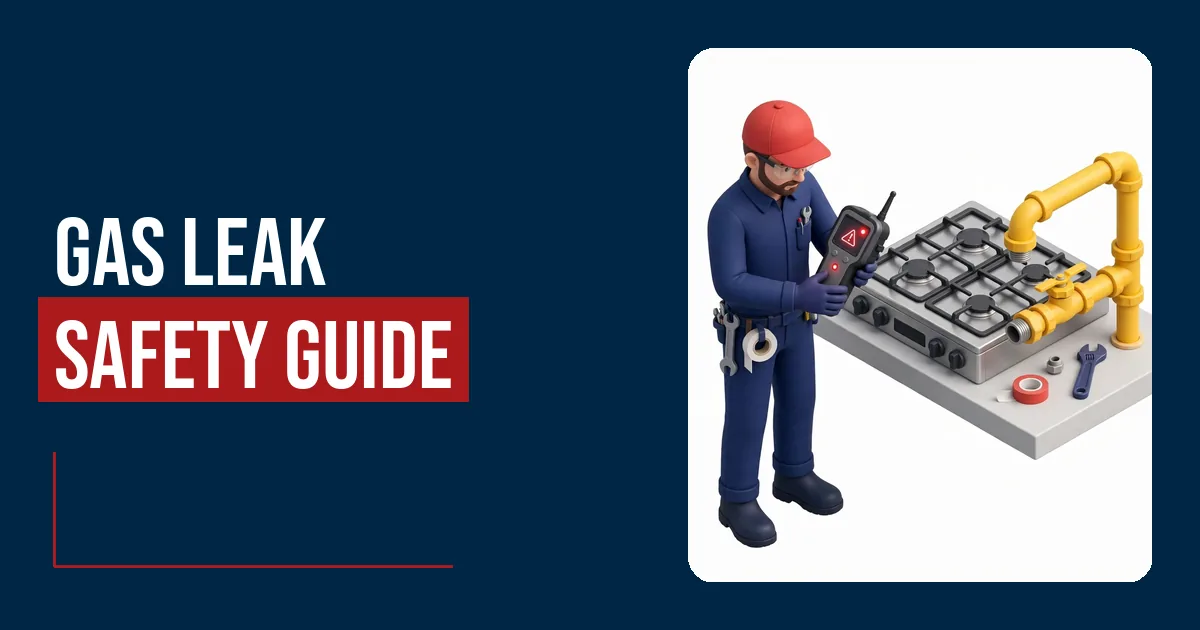
A gas leak is a serious safety hazard that requires immediate attention. Whether it occurs near a gas stove, water heater, furnace, gas meter, or underground supply pipe, escaping fuel can create dangerous conditions inside and around a property.
Knowing the warning signs of a gas leak and understanding how to respond can help protect you, your family, and your neighbors. However, the most important rule is simple: if you suspect a gas leak, leave the affected area immediately and contact emergency services and your gas utility from a safe location.
Never try to locate or repair an active gas leak yourself. Do not operate electrical switches, use electronic devices, light matches, or create sparks inside the affected area.
This guide explains how to recognize a gas leak, understand potential exposure symptoms, respond safely, and reduce the risk of future gas-related hazards in your home.
In This Guide
- What Is a Gas Leak?
- What Are the Warning Signs of a Gas Leak?
- What Are the Symptoms of Gas Leak Exposure?
- What Should You Do If You Suspect a Gas Leak?
- What Should You NOT Do During a Gas Leak?
- What Causes Gas Leaks in Homes?
- How Can You Prevent Gas Leaks in Your Home?
- Gas Leak Safety Outside Your Home
- Are Gas Leak Detectors Worth Installing?
- Frequently Asked Questions About Gas Leak Safety
- Gas Leak Safety Starts With Immediate Action
What Is a Gas Leak?
A gas leak occurs when natural gas, propane, or another combustible fuel gas escapes from a pipe, fitting, valve, connector, or appliance into an unintended space.
Because these gases are pressurized, even a small crack, loose fitting, or corroded joint can allow fuel to seep continuously into living spaces, crawl spaces, attics, walls, or surrounding soil.
When fuel gas accumulates in an enclosed area, it creates two major hazards:
- Fire and Explosion: If gas mixes with air in the right proportion and contacts an ignition source—such as a static shock, light switch, thermostat relay, or open flame—it can cause a sudden flash fire or catastrophic explosion.
- Asphyxiation and Health Risks: As natural gas displaces oxygen in an enclosed space, it reduces breathable air, potentially leading to hypoxia, unconsciousness, and other acute health emergencies.
Natural Gas vs. Propane: What Is the Difference?
While both natural gas and propane are common heating and cooking fuels, their physical properties differ in ways that directly affect how leaks behave:
- Natural Gas (Methane): Lighter than air. When released indoors, it tends to rise toward ceilings and upper levels. It typically dissipates faster outdoors but concentrates quickly near ceilings, vents, and attic spaces.
- Propane (LPG): Heavier than air. When propane leaks, it sinks and settles in low-lying areas, including floors, basements, crawl spaces, and drainage trenches. This makes propane leaks particularly persistent and hazardous around ground-level ignition sources.
Regardless of which fuel supplies your property, any unplanned release should always be treated as an immediate, life-threatening emergency.
What Are the Warning Signs of a Gas Leak?
Because pure natural gas and propane are naturally colorless, tasteless, and odorless, recognizing a leak relies on sensory cues, environmental changes, and unusual equipment behavior.
1. Rotten Egg or Sulfur-Like Smell
To make leaks detectable, gas suppliers add an odorant called mercaptan. This chemical produces a distinct sulfurous smell often described as rotten eggs or decaying cabbage.
If you suddenly detect this smell indoors or near outdoor piping, do not assume it will dissipate on its own. (Note: If you only notice a foul sulfur smell coming specifically from your hot water taps, review our guide on why water smells like rotten eggs to determine if it is an anode rod reaction rather than a gas fuel line.)
2. Hissing, Whistling, or Roaring Sounds
Pressurized gas escaping through a small puncture, deteriorated gasket, or loose valve fitting can produce a distinct hissing or whistling sound. Larger line ruptures or underground line breaks can sound like a steady roar or high-pitched whistle near the gas meter or furnace room.
3. Dead or Dying Vegetation
An underground gas pipe leak displaces oxygen and moisture in surrounding soil. If you notice a patch of brown, dead grass, discolored shrubs, or wilting plants directly along the path of your underground service line—while adjacent landscaping is healthy—an underground gas leak may be the cause.
4. Bubbles in Standing Water or Mud
Continuous bubbling in puddles, wet soil, or drainage ponds when no rain is falling or wind blowing often indicates pressurized gas bubbling up from an underground pipe fracture.
5. Blowing Dirt, White Mist, or Unusual Outdoor Conditions
A high-pressure outdoor gas leak can physically blow dust, dirt, or dry leaves into the air. In humid weather or cold conditions, pressurized escaping gas can also cause localized condensation, creating a visible white mist or frost on equipment and surrounding soil.
6. Unexplained Gas Usage Changes
A sudden, significant spike on your gas utility bill without any change in heating habits or seasonal temperatures can point to a slow, persistent leak in hidden lines or supply connections.
What Are the Symptoms of Gas Leak Exposure?
Inhaling natural gas or propane reduces oxygen availability in your bloodstream. While natural gas itself is not directly poisonous in low amounts, sustained exposure displaces oxygen and can cause significant physiological distress.
Common symptoms of gas exposure include:
- Persistent headaches or temple pressure
- Dizziness, lightheadedness, or loss of balance
- Nausea, stomach upset, or vomiting
- Fatigue, unexplained drowsiness, or muscle weakness
- Shortness of breath or chest tightness
- Eye, nose, and respiratory tract irritation
- Lethargy, confusion, or unusual behavioral distress in pets
Can a Minor Gas Leak Make You Sick?
Yes. Even a small, slow leak that does not trigger obvious explosive levels can cause chronic low-level symptoms if air exchange is poor.
If multiple occupants or pets feel unwell indoors, experience relief when stepping outside for fresh air, and symptoms recur shortly after coming home, suspect an environmental hazard such as a gas leak or carbon monoxide.
Gas Leaks vs. Carbon Monoxide Exposure
It is vital to distinguish between a fuel gas leak and carbon monoxide (CO) poisoning:
- A Gas Leak: Involves unburned natural gas or propane escaping from supply lines or appliance fittings. It smells like rotten eggs due to added mercaptan.
- Carbon Monoxide (CO): A lethal, completely odorless, colorless byproduct of incomplete combustion produced by malfunctioning water heaters, boilers, furnaces, or blocked chimneys. CO cannot be smelled.
What Should You Do If You Suspect a Gas Leak?
If you smell gas, hear hissing, or suspect a fuel leak, treat the situation as an immediate emergency. Follow this step-by-step safety sequence:
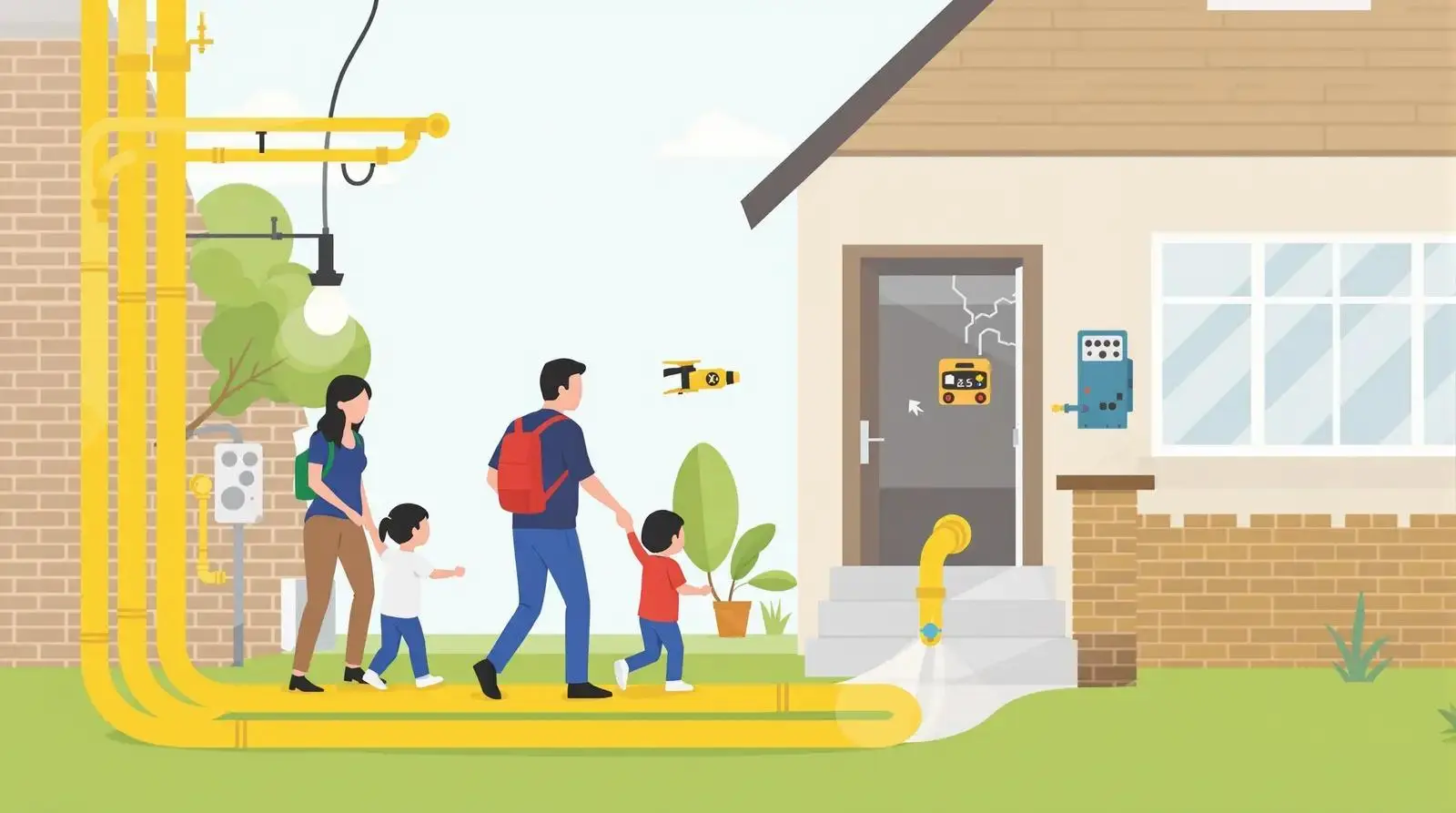
Evacuate your home on foot immediately if you suspect a gas leak. Call emergency services from a safe outdoor distance.
1. Leave the Building Immediately
Evacuate all household members and pets right away. Do not pause to pack belongings, search for keys, or collect valuables. Keep doors open only if they are directly in your path of exit to assist natural ventilation.
2. Avoid Electrical Devices and Anything That Could Create a Spark
Even tiny micro-sparks from static electricity or household relays can ignite gas mixtures. Do not touch light switches, do not unplug cords, do not open garage doors via electric openers, and do not use indoor mobile phones.
3. Do Not Attempt to Find the Leak
Do not crawl behind appliances, remove furnace panels, or look for line fractures. Locating a leak requires calibrated combustible gas sniffers and specialized equipment handled by trained emergency personnel.
4. Move Away From the Suspected Leak
Walk at least 330 feet upwind from the building or outdoor leak location. Stay well clear of driveways, streets, and adjacent structures.
5. Call Emergency Services and Your Gas Provider
Once in a completely safe location, call 911 or your local emergency dispatch, followed by your natural gas utility provider. State your address and describe the odors or sounds you detected.
6. Keep Everyone Away Until the Area Is Declared Safe
Do not re-enter the home, send anyone inside, or allow neighbors close to the property until the fire department or gas utility technicians declare the premises completely safe.
7. Seek Medical Attention if Exposure Is Suspected
If anyone in your household exhibits severe dizziness, confusion, nausea, or respiratory trouble, inform emergency dispatch so paramedics can administer oxygen and medical care immediately.
What Should You NOT Do During a Gas Leak?
Critical Warning: 10 Actions to Avoid
- DO NOT flip any light switches ON or OFF.
- DO NOT plug in, unplug, or adjust electrical appliances.
- DO NOT use cellular phones, landlines, or handheld radios inside the property.
- DO NOT light matches, cigarettes, candles, or open flame devices.
- DO NOT start vehicles, lawn mowers, or power equipment parked in or near the structure.
- DO NOT use electric garage door openers.
- DO NOT attempt to turn appliance valves on or off if gas is actively accumulating.
- DO NOT spend time looking for the origin of the leak.
- DO NOT assume someone else reported the gas leak.
- DO NOT re-enter the building until official emergency responders confirm it is safe.
Facing a Plumbing or Pipe Emergency?
For active gas leaks, always evacuate and dial 911 first. For urgent gas line repairs, water heater replacements, and general emergency plumbing assistance in Tyler, TX, trust our licensed team.
Call (903) 707-8889What Causes Gas Leaks in Homes?
Understanding why gas leaks occur helps homeowners prioritize regular maintenance and spot early warning signs before a dangerous failure happens:
1. Aging or Corroded Gas Pipes
Older properties may still feature galvanized steel or uncoated iron gas piping. Over decades, moisture, soil chemistry, and microscopic pinholes can weaken pipe walls, leading to small, continuous leaks.
2. Loose or Damaged Connections
Appliance vibrations (from clothes dryers, dishwashers, or HVAC blowers), shifting home foundations, and degraded thread sealant can gradually loosen mechanical joints and valve couplings.
3. Faulty Gas Appliances
Aging water heaters, furnaces, boilers, and stoves can develop cracked heat exchangers, malfunctioning pilot assemblies, or failing safety shut-off solenoids that allow unburned gas to seep into living areas.
4. Improper Installation or Maintenance
DIY gas line modifications and uncertified work are leading causes of gas hazards. Gas line sizing, thread compounds, pressure testing, and flue drafting require specialized knowledge and licensed technicians.
5. Accidental Damage During Construction or Excavation
Digging for fence posts, landscaping, patio renovations, or tree planting without utility marking is a frequent cause of ruptured underground fuel lines.
6. Severe Weather and Natural Disasters
Expansive clay soil movement (common across East Texas), heavy seasonal rains, uprooted trees, and extreme freezing temperatures can strain and break underground service runs and meter connections.
How Can You Prevent Gas Leaks in Your Home?
While some hazards are unpredictable, structured prevention and routine maintenance substantially reduce the likelihood of gas line failures:
Install the Correct Gas Leak Detector
Electronic combustible gas detectors provide early audible warnings before gas levels reach explosive thresholds. Choose UL 1484-listed models designed specifically for methane and propane. Install them near gas appliances according to fuel type: natural gas sensors should be placed high on walls (natural gas rises), while propane sensors must be installed within 12 inches of the floor (propane sinks).
Install Carbon Monoxide Alarms
Place UL 2034-certified CO alarms on every level of your home and directly outside all sleeping areas. Test monthly and replace batteries at least once every six months.
Schedule Professional Gas Appliance Inspections
Have a licensed professional inspect gas furnaces, water heaters, and boilers annually. During a regular plumbing inspection and routine water heater maintenance, technicians verify gas pressure, check flues for blockages, and ensure burner assemblies operate cleanly.
Keep Gas Appliances Properly Ventilated
Ensure combustion air intakes and exterior vent terminals remain completely unobstructed by leaves, bird nests, lint, or debris to prevent toxic backdrafting.
Protect Flexible Gas Connectors
Older, uncoated brass flexible connectors used behind stoves and dryers can crack internally when moved. Upgrade them to modern, corrugated stainless steel connectors coated with protective polymer.
Know Where Your Gas Shut-Off Valve Is Located
Locate the main gas shut-off valve at your outdoor meter or propane storage tank. Keep an appropriate adjustable wrench accessible near the valve in case emergency authorities instruct you to turn off the supply.
Teach Household Members About Gas Safety
Ensure every family member recognizes the rotten egg odor, knows the outdoor meeting point, and understands that finding a phone and calling for help happens only after evacuating.
Gas Leak Safety Outside Your Home
Gas safety does not stop at your exterior walls. Buried service pipes and exterior meters require equal vigilance:
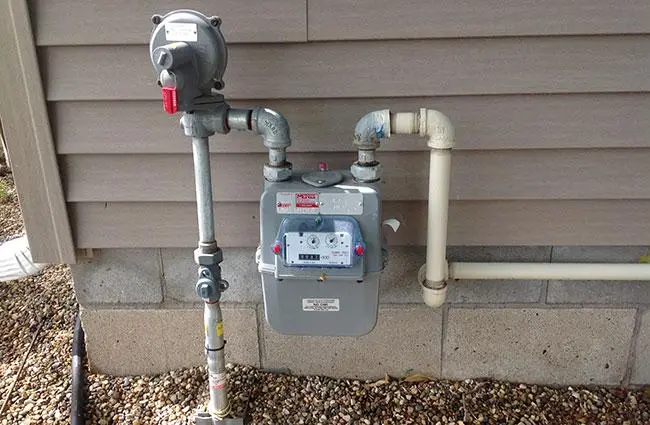
Keep residential natural gas meters and supply equipment clear of clutter, dense shrubbery, and mechanical damage.
Call 811 Before Digging
Always dial 811 at least two business days before starting any excavation, whether planting trees, installing fences, or grading driveways. Utility locators will mark underground gas, electric, and communication lines free of charge.
Keep Outdoor Gas Equipment Accessible
Trim overgrown shrubs, brush, and weeds away from your outdoor gas meter and regulator. Utility technicians and first responders need clear, immediate access to shut-off valves in an emergency.
Watch for Outdoor Warning Signs
Pay attention to bubbling puddles, patches of dead grass along buried lines, or blowing dust clouds near meter banks. Outdoor leaks can migrate along utility trenches into crawl spaces and basements.
Are Gas Leak Detectors Worth Installing?
Yes. Dedicated combustible gas alarms provide an invaluable secondary layer of protection. They are especially beneficial for:
- Individuals with a diminished sense of smell (olfactory fatigue or medical anosmia)
- Unattended mechanical areas like basements, utility closets, and boiler rooms
- Rental properties and multi-family buildings
- Properties in areas where underground soil can strip mercaptan odorants from escaping gas
While gas alarms never replace careful maintenance, they provide audible and digital alerts before minor leaks escalate into hazardous conditions.
Frequently Asked Questions About Gas Leak Safety
Natural gas is naturally odorless, but utility companies add a chemical called mercaptan, giving it a strong smell often compared to rotten eggs or sulfur. Propane has a similar distinct warning odor.
Leave the home immediately on foot. Do not use electrical switches, do not use phones indoors, do not operate garage doors, and do not attempt to locate the leak. Call 911 and your gas utility once you are at a safe distance.
Yes. Even small or prolonged minor gas leaks can cause symptoms such as headaches, dizziness, fatigue, nausea, difficulty breathing, and irritation of the eyes, nose, and throat. Ongoing symptoms that improve when you leave the home warrant immediate professional investigation.
Do not flip light switches, do not unplug or plug in appliances, do not use landline or mobile phones inside, do not start vehicles or power equipment nearby, do not strike matches or lighters, and never try to find or fix the gas leak yourself.
Move at least 330 feet (roughly the length of a football field) upwind from a suspected indoor leak. For large outdoor leaks or severed utility mains, stay even further back and follow emergency responder instructions.
No. Staying inside a home with an active gas leak exposes you to asphyxiation risks, toxic exposure, and severe explosion hazards. Always evacuate immediately.
Only open doors or windows on your direct way out if they are already accessible and doing so does not delay your exit. Never walk through the house opening windows, as operating them or delaying evacuation increases danger.
Yes. If an underground line leaks, soil can occasionally strip mercaptan from the gas before it reaches the surface. Furthermore, individuals with reduced sense of smell may not notice odorant, making audible hissing sounds, dead vegetation, or certified electronic detectors critical.
No. Standard carbon monoxide (CO) detectors only sense CO gas resulting from incomplete combustion. They do not detect raw natural gas or propane leaks unless specifically labeled as dual combustible gas and CO detectors.
Yes. Outdoor leaks from buried service lines or meters can ignite, travel along utility conduits or soil fissures, and migrate into foundations, crawl spaces, or basements, creating hidden explosive concentrations.
Common causes include aging or corroded metal pipes, loose appliance connections, damaged flexible brass connectors, faulty water heaters or furnaces, improper DIY plumbing installations, ground shifting, and accidental strikes during excavation.
Only licensed, certified plumbing and gas-piping professionals or your local gas utility should ever inspect, test, or repair gas lines and equipment. DIY repairs on gas systems are illegal and dangerous.
Emergency dispatchers coordinate with local firefighters and your gas utility. Utility crews arrive equipped with specialized combustible gas sensors to isolate the supply, test atmospheric levels, and secure the leak source.
No. Never ignite an open burner, pilot, or electric starter if you detect gas odors. Sparking any burner could ignite accumulated gas and cause a flash fire or explosion.
Schedule annual professional inspections of gas-fired appliances and piping, replace obsolete flexible connectors, install certified combustible gas alarms and CO detectors, maintain adequate ventilation, know your shut-off valve location, and always call 811 before digging.
Gas Leak Safety Starts With Immediate Action
Gas leaks can create serious fire, explosion, and health hazards. Recognizing warning signs and responding correctly can make a critical difference during an emergency.
Remember the most important safety principles:
- Recognize unusual rotten egg odors, hissing sounds, and environmental warning signs.
- Evacuate immediately if you suspect a gas leak.
- Avoid electrical switches, electronic devices, open flames, and other ignition sources.
- Never investigate or repair an active gas leak yourself.
- Call emergency services and your gas provider from a safe outdoor location.
- Stay away until authorized personnel declare the area safe.
- Use suitable combustible gas detectors and carbon monoxide alarms.
- Arrange routine professional inspections and maintenance to prevent future problems.
When it comes to gas leak safety, never take chances. Leave first, call for help from a safe location, and let qualified professionals handle the situation.
If you are dealing with a plumbing or gas line concern and need an experienced plumber in Tyler, TX, Pro Plumbers Tyler is available 24/7 at (903) 707-8889 for professional gas line services, leak investigations, and emergency repairs.