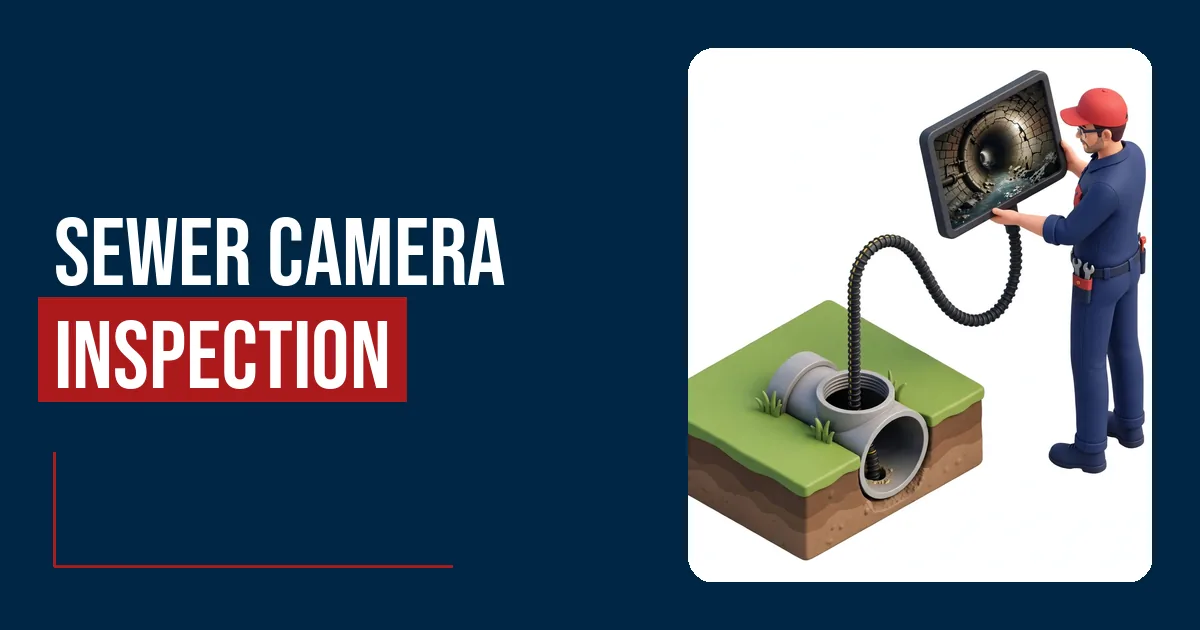
A sewer camera inspection sends a waterproof camera through your line so you and your plumber can see the inside of the pipe on a screen - the roots, the bellies, the offsets, the scale, the cracks - instead of guessing from symptoms. This guide explains what the camera finds, what each finding means for the clean-versus-repair decision, and when an inspection is worth booking for your Tyler, TX home.
Our drain and sewer pages promise camera inspections as part of the service; this post is the detail behind that promise - what actually happens during one, and how the footage turns into a decision you can verify with your own eyes.
What's In This Guide
How a Camera Inspection Works
The plumber locates your exterior cleanout - the capped access point on the main line - and feeds a camera head on a flexible cable into the pipe. The camera lights and films the full run of the line to the city tap while the plumber watches in real time. A locator records the distance from the cleanout to anything found, and problem spots can be located from above ground as well, so a repair crew digs at a marked point rather than trenching a yard on suspicion.
On a typical Pro Plumbers Tyler visit the camera runs twice: before cleaning, to find the blockage and identify its cause, and after clearing, to confirm full flow and document the pipe's condition. You see the before and after footage on screen - that second pass is what separates "we cleared it" from "we cleared it and here is the proof, plus here is what is coming next if the pipe wall looks like this."
The Five Findings - and What Each One Decides
These are the finding categories our own drain service names, because they are what Tyler lines actually contain. Each one points to a different next step, which is the entire value of looking:
| Finding | What It Looks Like | What It Decides |
|---|---|---|
| Roots | Fine roots waving from a joint, or a dense root ball trapping waste | Cut the mass out, then repair the entry point - or the roots regrow. See our tree roots guide |
| Bellies | A sagged section holding standing water and sediment | Cleaning gives temporary relief; the sag keeps collecting waste, so the section is a repair candidate |
| Offsets | Two pipe sections shifted out of alignment at a joint, leaving a lip | Waste catches on the lip; the joint needs repair before it separates further or admits roots |
| Scale | Mineral crust thickening on the pipe wall, narrowing the passage | Hydro jetting scours the wall clean; the pipe itself is usually sound |
| Cracks | Visible fractures, from hairline to a broken or crushed section | The pipe has failed at that point - targeted repair, or replacement if cracks are widespread |
The camera also shows the everyday findings - grease buildup coating a kitchen line, a simple blockage of wipes or debris - and the most valuable result of all: a clean, sound pipe, which means the symptom came from somewhere else and no sewer work is needed. A camera that talks you out of a repair has paid for itself.
When You Need One
- Clogs that keep coming back - a line cleared weeks ago that clogs again has a cause a cable cannot fix: roots, a belly, or scale. The camera identifies which.
- Multiple fixtures backing up together - that pattern means the main line, and the main line is camera territory.
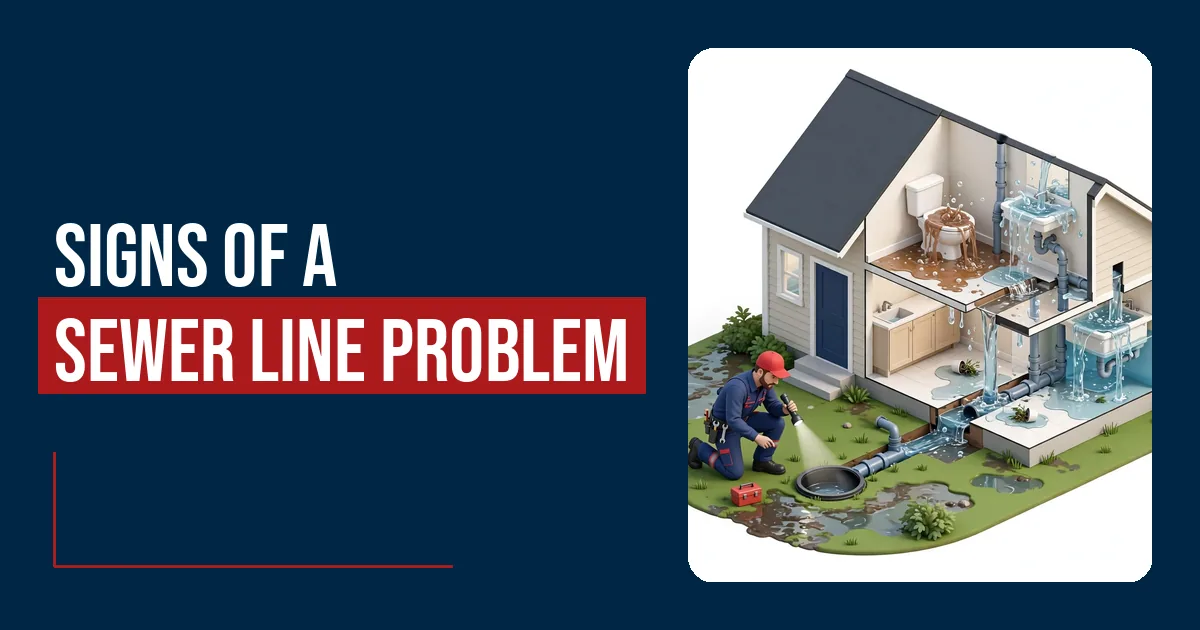
- Sewage odors or yard wet spots - signs of a cracked line leaking underground, confirmed and located by camera before anyone digs.
- Before a major repair quote - if anyone recommends sewer repair or replacement, ask to see the footage the recommendation is based on.
- Buying an older Tyler home - clay and cast iron lines in older neighborhoods can be near the end of their life invisibly. An inspection during the purchase process is cheap insurance.
- Mature trees over the line - with pine, oak, or sweet gum near the line, an inspection every one to two years catches intrusion while it is still a cleaning job.
Recurring Clog? See Inside the Pipe Before You Decide.
Pro Plumbers Tyler runs HD camera inspections with drain cleaning in Tyler, TX and shows you the footage before quoting any repair.
Call (903) 707-8889What a Camera Inspection Does Not Do
Honesty about limits matters. A camera shows the inside of the pipe it can reach - it cannot see hairline leaks in pressurized water lines (that is leak detection's job, using acoustic and thermal equipment), and it cannot clear anything by itself. It also cannot judge the soil or bedding around the outside of the pipe. What it does - uniquely - is turn the clean-or-repair question from an opinion into evidence. Paired with professional drain cleaning, it is the reason a recommendation from Pro Plumbers Tyler comes with footage, a distance, and a flat-rate written quote.
We serve Tyler, Whitehouse, Lindale, Bullard, Chandler, Kilgore, Gladewater, and surrounding East Texas communities, with 24/7 emergency service when a backup cannot wait for business hours.
Frequently Asked Questions About Sewer Camera Inspections
A live view inside the pipe: root intrusion, bellied sections holding water, offsets where sections have shifted out of alignment, scale thickness on the pipe wall, and cracks - plus grease buildup and blockages. The camera also measures the exact distance from the cleanout to each problem, so any repair targets the right section.
When clogs keep coming back after cleaning, when more than one fixture backs up at once, when you smell sewage indoors or in the yard, before buying an older home, and whenever a plumber recommends a major sewer repair - the footage is what the recommendation should be based on.
No. The camera travels through the line on a flexible push cable designed for the purpose, entering through the cleanout. It involves no digging and no pressure on the pipe - it is a viewing tool, and it is routinely run before and after cleaning to confirm the result.
Each finding decides its own next step. Roots in a sound pipe mean cutting and a targeted repair; a belly means a section that will keep collecting waste; an offset or crack means repair of that section; heavy scale means hydro jetting. You see the footage, the distance is recorded, and the quote is based on your pipe's actual condition.
Usually not at first. A single slow fixture is typically a local clog that cleaning handles. The camera earns its place when the problem is in the main line, keeps recurring, or needs a repair decision - that is when seeing beats guessing.